The gym weed drink trend has moved from niche fitness corners into the wider wellness and supplement conversation. It now appears beside creatine ads, pre-workout reviews, recovery content, and social videos from people who train regularly.
The main questions are simple:
-
What is a gym weed drink?
-
What does it do?
-
Does it belong anywhere near a workout routine?
This guide breaks down the trend without the hype. It explains what these drinks are, how they work, who they suit, and where a low-dose option like Wims fits into a real training lifestyle. The goal is not to treat cannabis drinks as a miracle supplement. The goal is to separate pre-workout energy drinks from low-dose THC drinks so active adults can understand how each one fits into a week of training, recovery, and social plans.
What the "gym weed drink" trend actually is

The phrase covers a few different products, which is why the category can feel confusing. The version most people mean when they say gym weed energy drink is a canned or bottled drink that pairs caffeine and familiar energy ingredients with hemp-derived compounds. The branding often leans into fitness, the cans look like pre-workout, and the pitch is usually a mix of energy, focus, and a calmer kind of stimulation than a standard energy drink.
The trend makes more sense when viewed as part of the wider functional beverage category. Functional beverages have grown quickly, and cannabis-infused drinks in particular have moved from novelty into a real category built around low-dose, social formats, according to New Frontier Data [1]. As more adults look for alternatives to standard alcoholic drinks, sugary sodas, or high-stimulant products, brands have started building drinks around specific moments in the day. The gym and recovery window became obvious targets.
Athletes and active adults already drink on a schedule. They sip before training, during warmups, between sets, after workouts, and during evening wind-down routines. A drink that fits that rhythm and offers something beyond plain caffeine was always going to get attention.
There are two main product families getting grouped under the same search term. The first is the caffeinated hemp energy drink, which is built to provide a lift before or during training. The second is the low-dose THC drink, which is built for calmer parts of the day, recovery, rest days, and social hours after training. They may appear beside each other online or on a shelf, but they serve very different purposes. Knowing which one is in the can or packet matters more than the flavor, design, or label claim.
How the main options compare
Here is how the choices break down for someone training regularly. The takeaway is simple. If you want a stimulant, you are shopping in the top half of that table. If you want something for the calmer hours, you are shopping in the THC and CBD rows. Trouble starts when people buy from one half expecting the other.
|
Drink type |
Main active ingredients |
When people use it |
What to expect |
|
Caffeinated hemp energy drink |
Caffeine plus hemp extract |
Before or during a workout |
A familiar energy lift with a hemp angle |
|
Low-dose THC drink (such as Wims) |
A few milligrams of THC, sometimes with CBD |
Recovery, rest days, social evenings |
A light, social feeling, not a stimulant |
|
Traditional pre-workout |
Caffeine, beta-alanine, citrulline and similar |
Right before training |
Strong stimulation and a pump, no cannabinoids |
|
CBD-only drink |
CBD, no meaningful THC |
Any time, before or after |
Subtle and non-intoxicating, no high |
Why the gym crowd is paying attention
The interest in gym weed drinks is not mainly about getting high at the gym. Most active consumers are usually looking for two things: support for the mental side of training and a drink-in-hand option that does not work against the next day’s routine.
Training is physical, but a lot of consistency lives in the mind. There is the set that feels intimidating, the run that keeps getting delayed, and the post-workout window when the body is tired but the mind is still switched on. Some adults describe low doses of THC as helping them feel more relaxed and less mentally stuck, especially during creative, social, or recovery-focused moments. Anyone interested in that side of the conversation should look at THC and creativity before forming an opinion, since the relationship is more nuanced than short social clips usually suggest.
The second driver is social. A lot of fitness culture still happens around food and drinks. Post-workout meals, weekend hangs, race-day dinners, and team events all create moments where people want something in their hand. Many active adults want a drink that feels like part of the occasion without alcohol, heavy sugar, or the kind of overconsumption that can disrupt the next morning.
A low-dose THC drink can fill that gap. It gives adults a social option for the calmer parts of a training lifestyle. Instead of treating recovery as only stretching, protein, and sleep, it fits into the wider routine around rest, social connection, and evening downshifts.
There is also the recovery angle. Hard training is a stressor, and the hours after a session are when the body is meant to settle and repair. No drink replaces sleep, food, hydration, mobility work, or rest. Still, a low-dose drink can be part of a calmer evening routine for adults who want a softer transition out of training mode.
How the drinks work and why onset is different
People who have only tried traditional edibles are often surprised by how different drinks can feel. The difference comes down to formulation. Many cannabis beverages use nano-emulsion technology, which breaks cannabinoids into much smaller, water-compatible droplets. Research suggests nano-emulsions can produce a faster Tmax and higher absorption than traditional oil-based formats, as discussed in a clinical cannabinoid pharmacokinetics review [2]. Because the droplets are so small, a modest liquid serving can feel more noticeable than the number on the label might suggest.
The format itself matters too. Cannabinoids swallowed in solid food are absorbed slowly and unevenly through digestion and first-pass metabolism in the liver. Liquid formats tend to feel more responsive and easier to plan around, as described in a review of cannabinoid pharmacokinetics [3]. For anyone who has had an edible arrive later than expected, a drink with a clearer timeline can feel more practical.
Dose is the part many people misunderstand. Quality low-dose cannabis drinks are built low on purpose. Many cannabis drinks land around 2 to 4 milligrams of THC per serving, which supports a gradual and manageable experience, according to Harvard Health Publishing [4]. That is a feature, not a weakness. A low, consistent dose is better suited to adults who want to stay clear-headed, social, and in control of the evening.
For anyone who wants a deeper look at the format, a full guide to Liquid THC can explain how these drinks are made, why they can feel different from gummies, and how to use them with better timing.
A closer look at the gym weed drink category
The gym weed drink trend makes the most sense when split into two groups.
Caffeinated hemp energy drinks sit closer to standard energy drinks. They are built for people who want a familiar lift before or during training. The hemp angle may make the product feel different from a classic energy drink, but the main noticeable effect for many consumers will still come from caffeine.
Low-dose THC drinks are the more distinct part of the category, but they are not pre-workout fuel. THC can affect coordination, reaction time, and balance, which makes it a poor fit for heavy lifts, fast intervals, technical sports, cycling, driving, or anything that requires sharp physical control. The better fit is everything around the workout: rest days, recovery evenings, low-pressure social plans, or the calm hours after training is already done.
This is the main distinction active adults need to make. A caffeinated hemp drink may fit before a workout. A low-dose THC drink fits better after the work is finished.
Drug testing also matters. Anyone who competes, works in a tested role, or plays in a league with substance rules should be careful. Pure CBD on its own is unlikely to trigger a positive test, but products containing even small amounts of THC can cause one, according to a study on CBD and drug testing [6]. Labels, certificates of analysis, and sport-specific rules should be checked before using any THC product.
What to look for when buying one
A few label checks can help separate thoughtful products from vague ones.
-
First, look for a certificate of analysis. A reliable brand makes third-party lab results easy to find. That document should show the cannabinoid content and confirm that the product has been tested for unwanted contaminants. If testing is hard to find, the product deserves extra caution.
-
Second, check the dose. The milligrams of THC should be stated clearly, not hidden in fine print. For many adults, a low-dose range around 2 to 4 milligrams is more manageable than a high-dose product, especially for social or recovery use.
-
Third, read the ingredient list. Shorter and more recognizable ingredient lists are usually easier to understand. A wall of additives does not automatically make a drink better. Clear dosing, clear testing, and clear ingredients matter more than aggressive claims.
-
Fourth, match the drink to the moment. A product with caffeine belongs in a very different part of the day than a low-dose THC drink. A drink built for energy should not be judged as a wind-down product, and a drink built for a social evening should not be treated like a gym stimulant.
Where a low-dose drink like Wims fits a training lifestyle

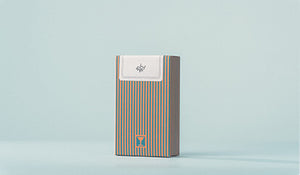
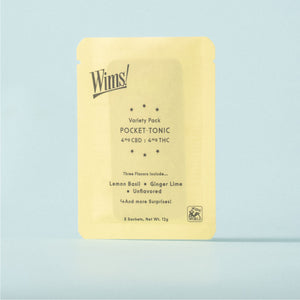
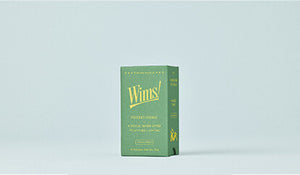
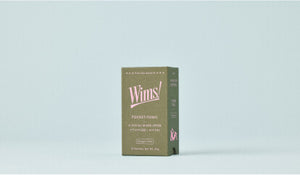
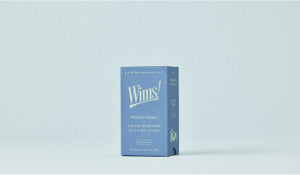
Wims sits on the wind-down side of the gym weed drink conversation. It is not a pre-workout and should not be treated like one. It is better suited to rest days and calmer routines where alcohol does not fit the goal.
More specifically, Wims is a low-dose THC drink built around the idea of a New Social, which is that adults can show up, feel good, and remember the night without leaning on alcohol. For active consumers, that translates clearly. Wims is not the drink for a heavy lower-body day or a hard interval session. It is a drink for after the work is done, when the goal is to settle, socialize, or enjoy a lighter ritual that still respects the next morning.
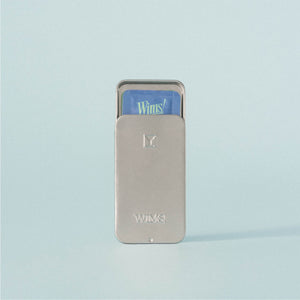
The drink-less-feel-more idea is the core of the product. A low dose can create a light, social shift without pushing the experience too far. The Pocket-Tonic format also makes it easy to bring to a cookout, a friend’s place, or a quiet evening at home, without the planning that stronger cannabis products often require.
Interested? Explore the full range at Wims today!
Conclusion
The gym weed drink trend is really two trends sharing the same name. One is a hemp-style energy drink for the pre-workout crowd. The other is a low-dose THC drink for calmer moments around training, recovery, and social plans.
Both can have a place, but they belong in different parts of the week. A person looking for stimulation before a session should choose a caffeinated option or a traditional pre-workout. A person looking for something light and social after training may find more value in a low-dose drink like Wims. The best approach is simple: know the category, read the label, check the dose, and use the drink in the right moment. When placed correctly, a gym weed drink can fit into an active lifestyle without confusing recovery with performance.
FAQa
What is GYM WEED energy drink?
GYM WEED is a hemp-infused energy drink aimed at the fitness crowd. The idea is to combine the energy and focus people expect from a pre-workout style drink with hemp-derived ingredients, sold in flavors and cans built to look at home in a gym bag. It sits in the caffeinated half of the broader gym weed drink category, which also includes low-dose THC drinks made for recovery and social hours rather than training itself.
Is GYM WEED drink bad for you?
For most healthy adults, a functional energy or hemp drink is fine in moderation, the same way coffee or a standard energy drink is. The things to keep an eye on are total caffeine across your day and how any product interacts with medications or conditions you have. Read the label, start with one serving, and check with your doctor if you are pregnant, nursing, on medication, or managing a health condition. If a drink contains THC, treat it like any low-dose product and give it time to settle before you drive or train.
Does GYM WEED drink have CBD in it?
It depends on the specific product, because hemp-infused can mean several things. Some hemp drinks use hemp seed or hemp extract with little to no active cannabinoids, some include CBD, and some include low doses of THC. The only reliable way to know is to read the ingredients and the certificate of analysis, which lists exactly which cannabinoids are in the can and how much. If CBD or THC content matters to you, do not assume from the name alone.
Can you smoke weed while gyming?
Some people do, but it is a personal choice with real trade-offs, and it is not what most of the gym weed drink trend is about. THC can affect coordination, balance, and reaction time, which is the opposite of what you want under a loaded barbell or during anything that needs precision. That is a big reason low-dose drinks have caught on with active people instead. A drink like Wims is built for the social wind-down and recovery side of a training lifestyle, not the middle of a heavy session, so you get the experience you are after without putting it in the wrong moment.
References
-
New Frontier Data, "Cannabis-Infused Beverages: The New Frontier of Intoxicating Libations." https://newfrontierdata.com/cannabis-insights/cannabisinfused-beverages-the-new-frontier-of-intoxicatinglibations/
-
Clinical review of cannabinoid pharmacokinetics: nano-emulsion absorption and Tmax, PMC (PMC5009397). https://pmc.ncbi.nlm.nih.gov/articles/PMC5009397/
-
Review of cannabinoid pharmacokinetics: oral absorption and first-pass metabolism, PMC (PMC9784610). https://pmc.ncbi.nlm.nih.gov/articles/PMC9784610
-
Harvard Health Publishing: cannabis drinks and typical low-dose THC servings (2 to 4 mg). https://www.health.harvard.edu/blog/cannabis-drinks-how-do-they-compare-to-alcohol-202407153058
-
Study on THC and CBD interaction, PMC (PMC5719112). https://pmc.ncbi.nlm.nih.gov/articles/PMC5719112/
-
Study on CBD and drug testing, PMC (PMC9122505). https://pmc.ncbi.nlm.nih.gov/articles/PMC9122505/